The Evolving Landscape of Copyright in the Age of Artificial Intelligence
The rapid ascent of generative artificial intelligence (AI) has sparked a seismic shift across numerous industries, bringing with it unprecedented opportunities and, inevitably, complex legal challenges. At the forefront of these challenges is the contentious issue of copyright. AI models, particularly those designed to generate text, images, or other creative works, are trained on colossal datasets often comprising vast quantities of existing copyrighted material. This fundamental reliance on pre-existing works has ignited a fierce debate:
Is the use of copyrighted content for AI training a form of fair use, or does it constitute infringement? This question lies at the heart of numerous lawsuits currently unfolding across the globe, as creators and rights holders seek to protect their intellectual property from what they perceive as unauthorized appropriation by AI developers.
The legal framework surrounding AI and copyright is still nascent, leading to a landscape filled with ambiguity and a lack of clear precedents. Courts are grappling with novel questions, such as how to attribute infringement when an AI model has processed millions of distinct works, or how to quantify damages when the 'infringing' output is not a direct copy but a derivative work influenced by countless sources. These complexities underscore why large-scale settlements involving AI companies are becoming increasingly common, yet also subject to intense scrutiny.
Unpacking Large-Scale Class Action Settlements: Process and Pitfalls
When a dispute involves a vast number of individuals who have suffered similar alleged harm, a class action lawsuit often emerges as a mechanism for collective resolution. Such cases typically culminate in a class action settlement, an agreement reached between the defendant (e.g., an AI company) and the representatives of the class (the affected creators).
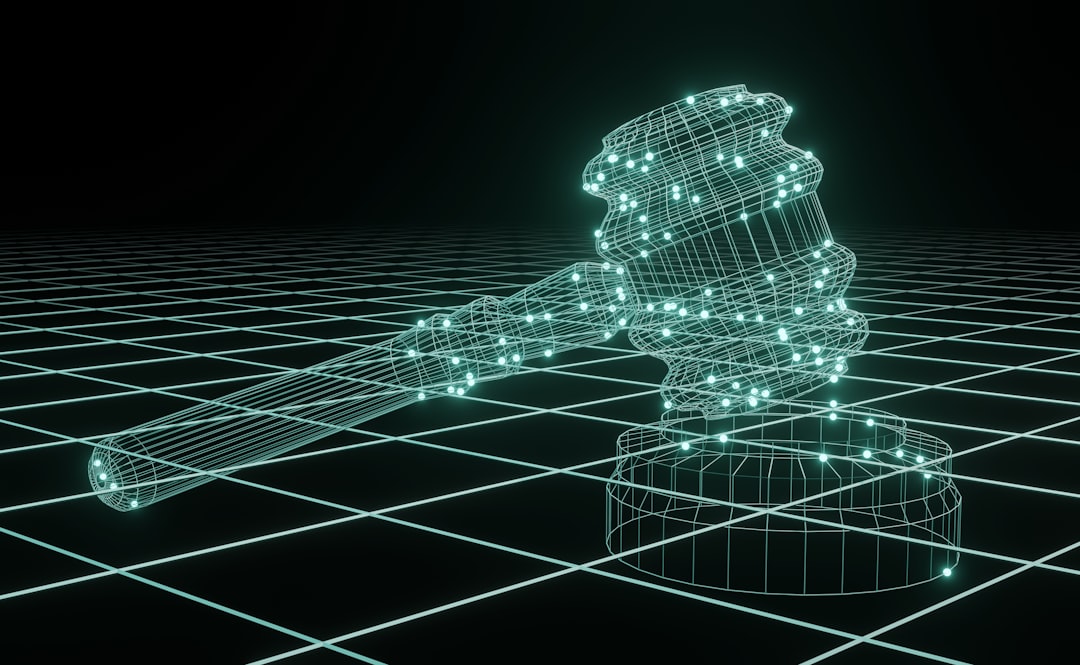
However, a settlement, especially one of significant financial magnitude, is not automatically approved. It must undergo a rigorous judicial review process to ensure its fairness, reasonableness, and adequacy for all class members. This process typically involves several critical stages:
Preliminary Approval and Notice to the Class
Initially, the court grants preliminary approval, allowing notice of the proposed settlement to be disseminated to all potential class members. This notice informs them of the terms, their rights, and how they can object or opt out.
The Fairness Hearing
Following the notice period, the court conducts a 'fairness hearing.' During this hearing, the judge evaluates various factors, including the strength of the plaintiffs' case, the risks of continued litigation, and the proposed distribution of funds. Critically, the court also scrutinizes the attorneys' fees requested by class counsel. Judges act as fiduciaries for the class, safeguarding the interests of potentially thousands or millions of individuals who may not be directly participating in the legal proceedings.
Judicial Scrutiny of Legal Fees
One of the most contentious aspects of any large class action settlement is the allocation of legal fees. Class counsel often seeks a substantial percentage of the overall settlement fund, given the significant time, resources, and risk involved in prosecuting such complex litigation. Judges meticulously review these fee requests to prevent excessive charges and ensure that the compensation awarded to lawyers is proportionate to the work performed and the benefit provided to the class. Accusations of 'rushing' a settlement often relate directly to concerns that legal teams might prioritize their own fee awards over maximizing the recovery for the class, leading to intensified judicial skepticism and potential delays in approval.
The Intricacies of AI Copyright Disputes: Why Settlements Get Scrutinized
AI-related copyright settlements introduce a unique layer of complexity that often leads to heightened judicial oversight. Unlike traditional copyright cases where a clear instance of copying can often be identified, the nature of AI training makes direct attribution incredibly challenging.
Challenges in Attribution and Damages
An AI model might have processed billions of data points, making it difficult to pinpoint which specific copyrighted works contributed to an alleged infringement. This complexity extends to determining damages. How does one value the 'use' of a single copyrighted image or text snippet within a vast training dataset, especially when the AI's output is not a direct replica? These questions complicate the valuation of a settlement fund and the fairness of its distribution among a diverse group of creators.
The 'Black Box' Problem
Furthermore, the 'black box' nature of many advanced AI models means that their internal workings and the exact influence of specific training data on output are often opaque, even to their developers. This lack of transparency can make it difficult for courts to fully assess the extent of infringement or the adequacy of proposed remedies.
Ensuring Fair Representation and Adequate Compensation
In the context of an AI copyright settlement, a judge's delay in approval often signals concerns about whether the proposed terms adequately compensate the entire class, especially those whose individual contributions might be small but collectively significant. It also reflects a commitment to ensuring that the settlement doesn't disproportionately benefit legal teams at the expense of the creators it purports to serve. The judge's role is to ensure that the settlement represents a just outcome, not merely a convenient resolution for the parties involved in the negotiation.
Safeguarding Intellectual Property in the Generative AI Era
For creators, businesses, and legal professionals alike, understanding how to navigate the evolving landscape of AI and intellectual property is paramount. Proactive measures are becoming increasingly vital in an environment where AI models can rapidly ingest and process vast amounts of creative work.
For Creators and Rights Holders:
- Copyright Registration: The fundamental step remains robust copyright registration. While copyright exists upon creation, registration provides stronger legal standing, allows for the pursuit of statutory damages and attorney's fees, and establishes a public record of ownership.
- Metadata and Watermarking: Embedding metadata in digital works that clearly identifies ownership and licensing terms, alongside visible or invisible watermarks, can help assert rights and track usage.
- Licensing Strategies: Explore new licensing models that specifically address AI training and output. This could involve direct agreements with AI developers or participation in collective licensing schemes.
- Active Monitoring and Advocacy: Staying informed about AI developments and actively monitoring how one's work is being used (or potentially misused) is crucial. Supporting legal and legislative efforts to define AI copyright boundaries is also important.
For AI Developers and Businesses:
- Ethical Data Sourcing: Prioritize sourcing training data through legitimate means, including licensed datasets or public domain materials. Implement rigorous data governance policies.
- Transparency and Attribution: Where technically feasible, develop mechanisms to track and attribute the sources used in training, and consider models that allow creators to opt out their works.
- Proactive Legal Counsel: Engage with legal experts to understand compliance requirements and potential liabilities. Proactively negotiate licensing agreements with rights holders.
- Industry Best Practices: Collaborate on developing industry-wide standards and ethical guidelines for AI development and deployment that respect intellectual property rights.
Looking Ahead: Shaping the Future of AI and Intellectual Property Law
The current legal skirmishes and the scrutiny of large settlements are not merely isolated incidents; they are vital moments in the ongoing formation of intellectual property law for the digital age. The outcomes of these cases, and the judicial decisions made in their wake, will undoubtedly set critical precedents that will shape how AI technology interacts with creative works for decades to come.
As AI capabilities continue to expand, so too will the pressure on lawmakers and international bodies to establish clearer, more harmonized regulations. We can anticipate further legislative efforts aimed at defining 'fair use' in the context of AI training, establishing mechanisms for collective licensing and compensation, and clarifying the ownership of AI-generated content. The goal will be to strike a delicate balance: fostering innovation in AI development while simultaneously protecting the rights and livelihoods of human creators.
The dialogue between technologists, legal scholars, creators, and policymakers is more critical than ever. The future landscape will likely involve a combination of new laws, industry-led ethical guidelines, and innovative technological solutions designed to ensure a more equitable and sustainable ecosystem for both AI and human creativity. The process of scrutinizing settlements, while sometimes lengthy and complex, ultimately serves to refine these frameworks, ensuring that justice and fairness remain central to the evolution of technology and law.