Quick Summary
Understanding climate change is more crucial than ever. This guide cuts through the noise, offering clear, actionable insights into what climate change is, why it matters, and practical steps you can take today. We'll demystify the science and empower you with knowledge.
It's about recognizing the global challenge and understanding how individual and collective actions contribute to a more sustainable future. This isn't just a distant problem; it's a current reality with tangible effects on our planet and communities.
By grasping the fundamentals, you can make informed decisions and become an active participant in solutions. This guide provides a foundation for anyone ready to learn and act.
- Climate change is primarily driven by human activities.
- Its impacts are diverse, affecting ecosystems, economies, and communities globally.
- Individual actions, combined with collective efforts, are essential for progress.
- Understanding the basics empowers better decision-making and advocacy.
Who this is for
This guide is for anyone new to the topic of climate change, or for those who feel overwhelmed by the information and are seeking a clear, structured, and actionable understanding. If you've heard the terms but aren't quite sure what they mean, or if you want to know what practical steps you can take, this article is for you.
Our goal is to provide a solid foundation of knowledge, equipping you with the essentials to comprehend climate discussions, identify reliable information, and confidently engage in efforts towards a more sustainable future. This is about empowerment through understanding, enabling you to move from confusion to clear action.
Key Takeaways
- Human Activity is the Primary Driver: The scientific consensus is clear that the significant increase in greenhouse gas emissions since the Industrial Revolution is largely due to human activities like burning fossil fuels and land-use changes.
- Greenhouse Effect Explained: Earth's atmosphere naturally traps some heat, keeping our planet habitable. Increased concentrations of greenhouse gases (like carbon dioxide and methane) intensify this effect, leading to global warming.
- Global Warming vs. Climate Change: Global warming refers to the long-term heating of Earth's climate system observed since the pre-industrial period. Climate change is a broader term encompassing long-term shifts in temperatures and weather patterns, including global warming but also other impacts like sea-level rise and extreme weather events.
- Diverse and Far-Reaching Impacts: Climate change manifests through more frequent and intense heatwaves, altered precipitation patterns, rising sea levels, ocean acidification, and threats to biodiversity and food security.
- Mitigation and Adaptation are Key Strategies: Mitigation involves reducing greenhouse gas emissions to slow down or stop global warming. Adaptation focuses on adjusting to the current and future effects of climate change. Both are necessary.
- Individual Actions Matter: While large-scale systemic changes are crucial, individual choices regarding energy consumption, waste, diet, and transportation collectively contribute to emission reductions and shift market demand.
- The Importance of Reliable Information: Navigating the topic requires consulting reputable scientific organizations and official reports to avoid misinformation and understand the consensus view.
- Global and Local Connections: Climate change is a global phenomenon with local manifestations. Understanding how it impacts your community can personalize the issue and highlight relevant local solutions.
Step-by-step Plan
- Educate Yourself on the Basics: Start by understanding core concepts: the greenhouse effect, major greenhouse gases, the difference between weather and climate, and the established causes of current climate change. Use reputable sources like scientific agencies.
- Assess Your Personal Carbon Footprint: Use online calculators (many are free from environmental organizations) to estimate your personal emissions from transportation, home energy, diet, and consumption. This provides a baseline and highlights key areas for reduction.
- Reduce Home Energy Consumption: Take practical steps: switch to energy-efficient LED lighting, unplug electronics when not in use (phantom load), adjust thermostat settings seasonally, and consider better insulation or sealing drafts if feasible.
- Rethink Transportation: Prioritize walking, cycling, or public transport for shorter distances. For longer trips, consider carpooling or electric vehicles if accessible. Reduce unnecessary air travel where possible.
- Minimize Waste and Practice Circularity: Adopt the 'Reduce, Reuse, Recycle' hierarchy. Focus on reducing consumption first, choosing durable products, repairing items, and composting organic waste. Avoid single-use plastics.
- Adopt a More Sustainable Diet: Consider incorporating more plant-based meals, reducing food waste, and sourcing food locally and seasonally. The production of different foods has varying environmental impacts.
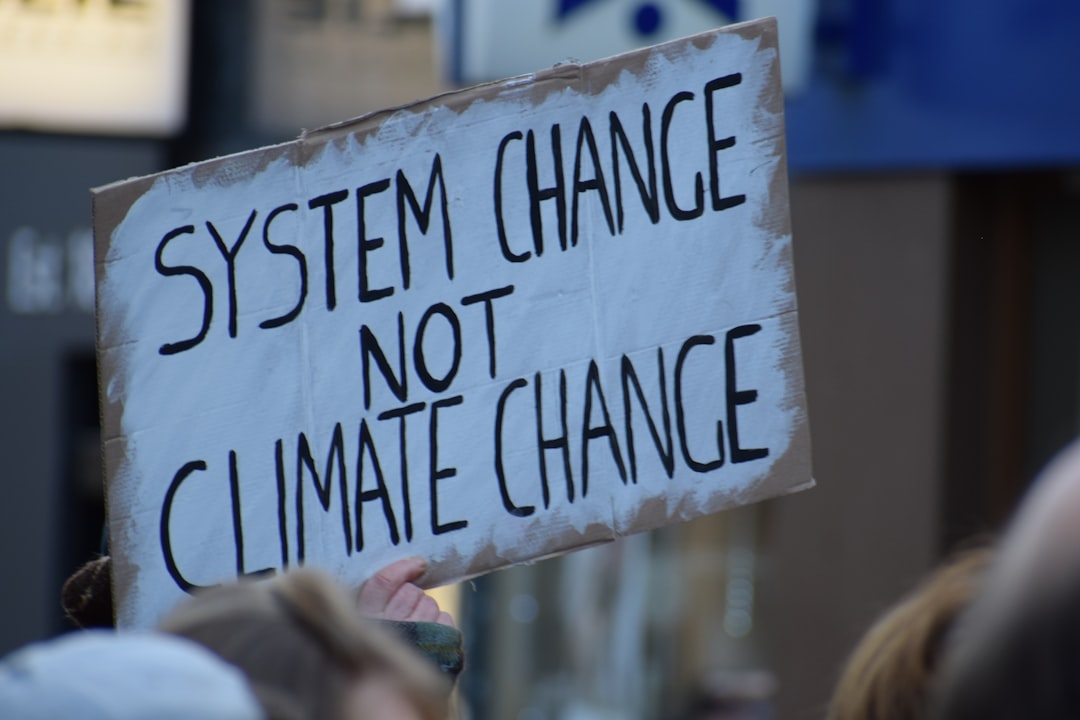
- Engage in Informed Civic Action: Stay informed about local, national, and international climate policies. Participate in civic life by contacting elected officials, supporting policies that promote renewable energy and sustainability, and advocating for systemic change.
- Support Sustainable Businesses and Products: When making purchases, research companies' environmental practices. Choose products with transparent supply chains, sustainable materials, and energy efficiency. Be wary of 'greenwashing' and look for credible certifications.
- Share Knowledge and Inspire Others: Discuss climate change with friends, family, and colleagues in a constructive, informed way. Share practical tips and foster a sense of collective responsibility without being preachy.
Mistakes to Avoid
- Information Overload Leading to Paralysis: Don't try to learn everything at once. Focus on the core concepts and actionable steps first. Feeling overwhelmed can lead to inaction.
- Believing Individual Actions are Futile: While systemic change is critical, individual choices accumulate. They also signal demand to markets and policymakers, creating a ripple effect. Don't underestimate your impact.
- Falling for 'Greenwashing': Be skeptical of vague environmental claims by companies. Look for specific data, third-party certifications, and transparent reporting. Not every 'green' product is genuinely sustainable.
- Ignoring Local Impacts and Solutions: Climate change is global, but its effects are felt locally. Understand how it's impacting your community (e.g., changes in local weather, water resources) and engage with local initiatives.
- Expecting Instant Solutions or Perfection: Climate action is a journey, not a destination. Progress is often incremental. Focus on continuous improvement rather than aiming for an impossible 'perfect' carbon footprint overnight.
- Misinterpreting Weather as Climate: Remember that climate is long-term weather patterns, while weather is short-term atmospheric conditions. A single cold day in winter doesn't disprove global warming.
FAQ
What's the difference between weather and climate?
Weather describes the atmospheric conditions over a short period (e.g., today's temperature, rain, wind). Climate, on the other hand, refers to the average weather patterns and conditions over long periods, typically 30 years or more, for a specific region or the planet.
Is climate change a natural phenomenon?
Earth's climate has naturally changed throughout history. However, the current rate and magnitude of warming observed over the past century are unprecedented and largely attributed to human activities, primarily the emission of greenhouse gases from burning fossil fuels.
What are greenhouse gases?
Greenhouse gases are atmospheric gases that absorb and emit radiant energy within the thermal infrared range, causing the greenhouse effect. The primary greenhouse gases are carbon dioxide (CO2), methane (CH4), nitrous oxide (N2O), and fluorinated gases.
Do my small actions really make a difference?
Yes, absolutely. While large-scale policy and industrial changes are crucial, individual actions collectively reduce emissions, influence markets, and create a culture of sustainability. Your choices contribute to a larger movement.
What does 'net-zero' mean?
'Net-zero' refers to achieving an overall balance between the greenhouse gases put into the atmosphere and those taken out. This typically means drastically reducing emissions, then offsetting any remaining unavoidable emissions through measures like carbon capture or reforestation.
How quickly are things changing?
Scientific reports indicate that global average temperatures have risen significantly since the late 19th century, with the most recent decade being the warmest on record. The rate of change is a key concern, as ecosystems and human systems struggle to adapt to such rapid shifts.
Checklist
- Understand the basics of the greenhouse effect and human influence.
- Identify your main sources of personal emissions.
- Implement energy-saving measures at home.
- Explore sustainable transportation options.
- Reduce waste through conscious consumption and reuse.
- Incorporate more plant-based meals into your diet.
- Stay informed about climate policies and local initiatives.
- Support businesses committed to genuine sustainability.
- Share your knowledge constructively with others.
- Consult reputable scientific sources for information.
What to Verify / Sources
- Intergovernmental Panel on Climate Change (IPCC) Reports: Look for their assessment reports and special reports, which synthesize the latest climate science from thousands of experts worldwide. These are foundational for understanding the scientific consensus.
- National Aeronautics and Space Administration (NASA) Climate Change Portal: Offers data, visualizations, and plain-language explanations of climate science, covering global temperature trends, sea level rise, and ice sheet changes.
- National Oceanic and Atmospheric Administration (NOAA) Climate.gov: Provides in-depth articles, data, and resources on climate science, impacts, and adaptation strategies, often with a focus on U.S. regional data.
- United Nations Environment Programme (UNEP): Publishes reports on global environmental issues, including climate change, focusing on policy implications, adaptation, and mitigation efforts.
- Academic Institutions and University Research Centers: Many leading universities have dedicated climate science departments or research centers. Look for their published research, educational materials, and public summaries.
- Government Environmental Agencies: Consult official government websites (e.g., U.S. Environmental Protection Agency - EPA) for information on climate policies, regulations, and public resources related to emissions and environmental protection.
- Reputable Science Communication Organizations: Organizations focused on making science accessible often provide excellent summaries and explainers, but always cross-reference with primary scientific bodies.