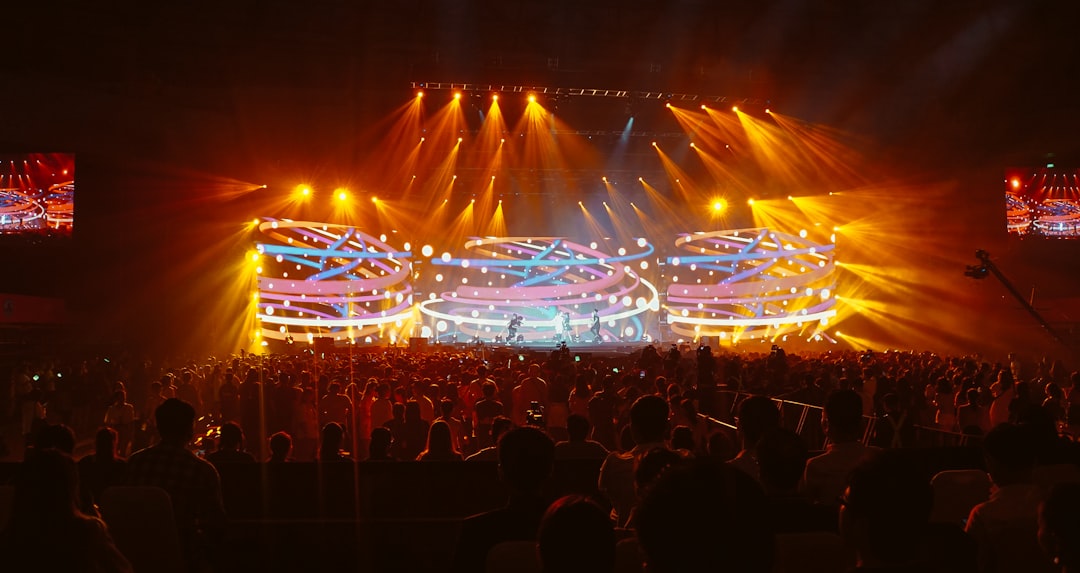
For decades, the Eurovision Song Contest has captivated audiences across Europe and beyond, serving as a vibrant spectacle of music, culture, and friendly competition. Now, this beloved institution is embarking on an ambitious new chapter, extending its unique blend of entertainment to the dynamic continent of Asia. The launch of the first-ever Eurovision Asia edition marks a significant milestone, promising to bring together diverse musical traditions and foster unprecedented cultural exchange across a vast and rich region.
This expansion is more than just a new competition; it represents a strategic move to tap into Asia's burgeoning music markets and celebrate its incredible artistic talent. By adapting the iconic Eurovision format, the organizers aim to create a platform that resonates with Asian audiences while retaining the core values of unity through music that have defined the original contest for generations.
The Enduring Legacy of the Eurovision Song Contest
To truly appreciate the significance of Eurovision Asia, it's helpful to understand the profound impact and rich history of its European predecessor. Originating in 1956, the Eurovision Song Contest was conceived by the European Broadcasting Union (EBU) as an experiment in live television broadcasting and a way to unite a continent still recovering from the ravages of war. It quickly evolved into an annual tradition, becoming one of the longest-running and most-watched television shows in the world.
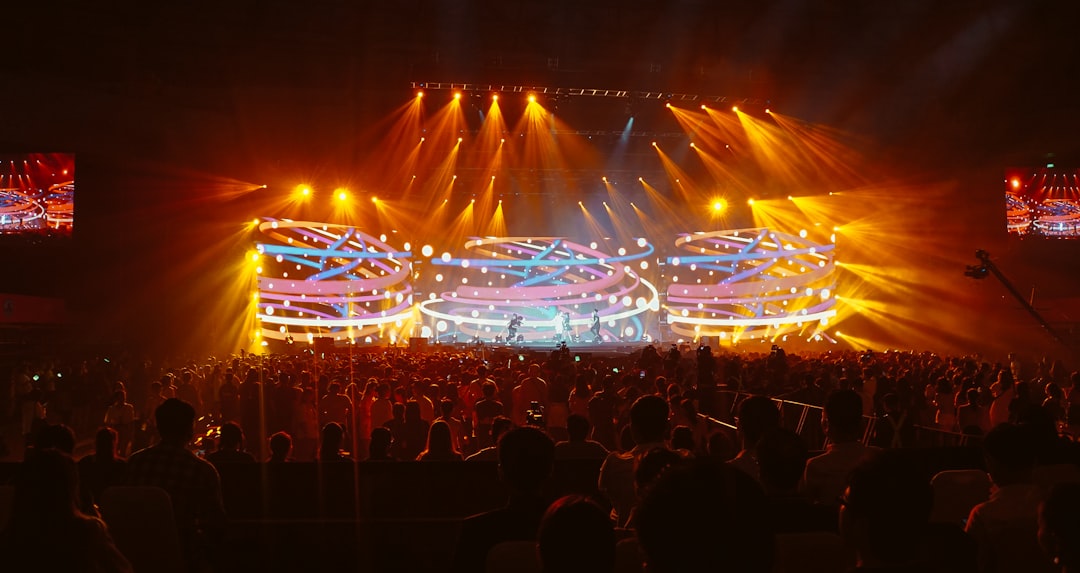
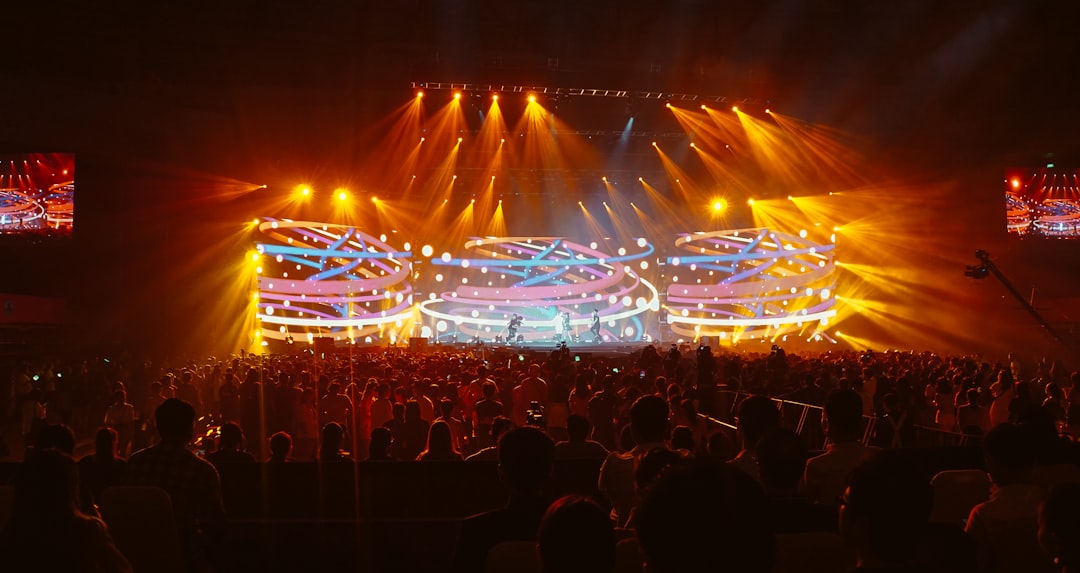
The European contest is renowned for its eclectic mix of musical genres, elaborate stage performances, and passionate fan bases. It has launched the careers of global superstars like ABBA and Celine Dion and has become a powerful symbol of cultural diversity and inclusion. Each year, millions tune in to witness countries showcase their best musical talent, culminating in a dramatic voting sequence that often sees neighborly alliances and surprising upsets. The contest fosters a unique sense of shared experience, transcending linguistic and political boundaries through the universal language of music.
The success of Eurovision lies in its ability to blend high-stakes competition with a celebratory, almost carnival-like atmosphere. It’s a platform where national pride meets international camaraderie, and where artists gain unparalleled exposure on a global stage. This proven formula of entertainment and cultural diplomacy now provides a strong blueprint for its Asian counterpart.
Introducing Eurovision Asia: A Continent United by Song
The concept of Eurovision Asia has been a topic of discussion for several years, driven by the undeniable growth and influence of Asian pop culture worldwide, exemplified by phenomena like K-Pop and J-Pop. The official launch signifies a commitment to bringing this vision to fruition, creating a bespoke competition tailored to the unique characteristics of the Asian continent while drawing inspiration from the successful European model.
Early indications suggest participation from a diverse array of nations, with broadcasters from countries like South Korea and the Philippines confirmed to be among the initial contenders. These nations, known for their vibrant music industries and passionate fan bases, represent just a fraction of the immense talent pool available across Asia. The goal is to gradually expand participation to encompass a wide spectrum of cultures and musical styles, ensuring a truly representative and inclusive competition.
Format and Expectations
While specific rules and detailed formats are still emerging, it is anticipated that Eurovision Asia will mirror many aspects of its European counterpart. This would likely include:
- Original Song Entries: Each participating nation will select an original song and artist (or group) to represent them.
- Live Performances: Artists will perform their songs live during a series of televised shows, showcasing their vocal talent and stage presence.
- International Voting: A combination of professional jury votes and public televoting from participating countries will determine the winner, ensuring a fair and engaging outcome.
- Host City Selection: A different city in one of the participating countries will likely host the event each year, offering a unique opportunity to showcase its culture and attract international tourism.
The adaptation process will be crucial to ensure the contest resonates with Asian audiences. This might involve considerations for diverse language use, incorporation of traditional musical elements alongside contemporary styles, and logistical adjustments to accommodate the vast geographical spread of the continent. The challenge lies in creating a unified experience that celebrates individual national identities while fostering a collective Asian musical voice.
The Transformative Impact on Music and Culture
Eurovision Asia holds immense potential to reshape the regional music landscape and foster deeper cultural understanding. Its implications extend far beyond a mere television spectacle, offering significant opportunities for artists, audiences, and national identities alike.
Empowering Artists and Industries
For emerging and established artists across Asia, Eurovision Asia presents an unparalleled platform for international exposure. Winning or even participating in such a high-profile event can dramatically boost an artist's career, opening doors to new markets, collaborations, and fan bases. It provides a unique opportunity for musicians to showcase their talent on a grand scale, potentially transforming regional stars into global phenomena.
Furthermore, the contest will likely stimulate growth within national music industries. Increased investment in talent development, song production, and live event management will be necessary to prepare for the competition, benefiting countless professionals within the creative sector. This ripple effect can strengthen local music ecosystems and encourage innovation.
Fostering Cultural Exchange and Understanding
One of the most profound impacts of Eurovision Asia will be its role in promoting cultural exchange. As countries present their unique musical styles, languages, and artistic expressions, audiences will gain exposure to the rich tapestry of Asian cultures. This can break down stereotypes, build bridges between communities, and foster a greater sense of regional identity and appreciation.
The contest provides a rare opportunity for millions to discover new sounds, learn about different traditions, and celebrate the shared human experience through music. It can serve as a powerful tool for soft diplomacy, allowing nations to connect on a cultural level and build goodwill.
Looking Ahead: The Future of Eurovision Asia
The launch of Eurovision Asia is an ambitious undertaking, but one with incredible promise. The organizers face the challenge of creating a spectacle that honors the original Eurovision spirit while authentically reflecting the diverse and dynamic nature of Asia. Success will hinge on careful planning, collaboration with local broadcasters, and a deep understanding of regional tastes and sensitivities.
As the contest evolves, it has the potential to become a cornerstone of Asian entertainment, a much-anticipated annual event that celebrates musical excellence and cultural unity. It could inspire new generations of artists, forge lasting international connections, and ultimately redefine how the world perceives Asian music and culture. The journey has just begun, and the stage is set for a truly historic and melodious chapter in global entertainment.