The sight of military aircraft in civilian airspace often captivates public attention, whether during official demonstrations, training exercises, or unexpected encounters. These powerful machines and the personnel operating them are governed by strict protocols designed to ensure safety, uphold national security, and maintain public trust. When these guidelines are perceived to be breached, even in seemingly minor ways, it can trigger significant internal review processes, underscoring the military's commitment to accountability.
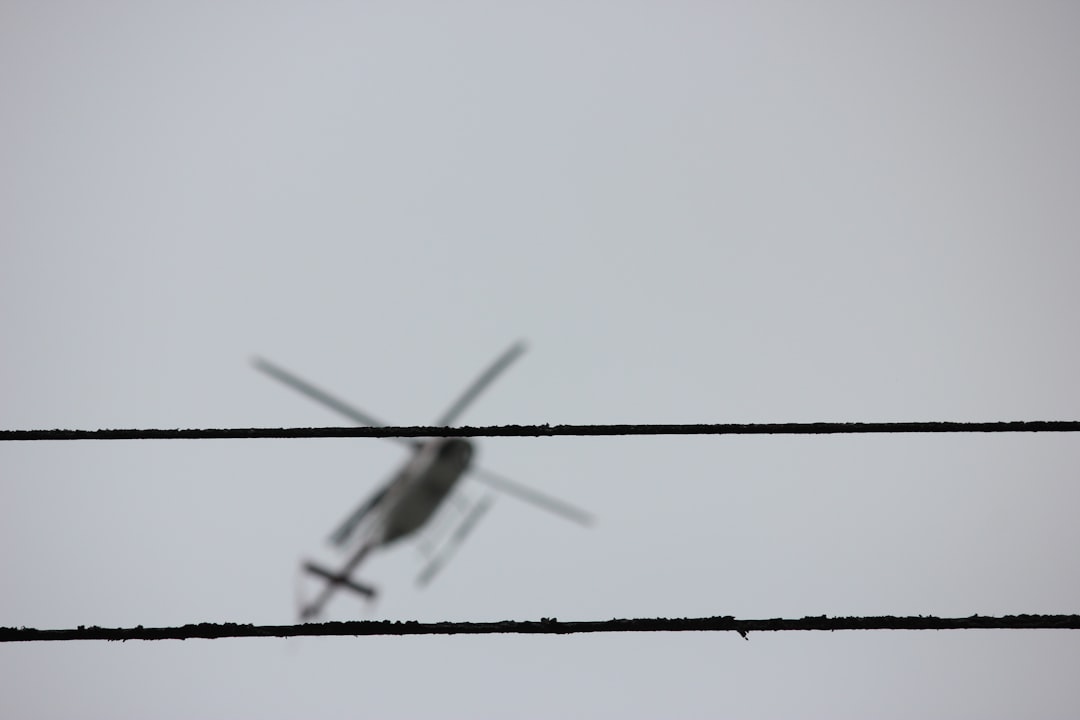
Recently, an incident involving a US Army helicopter flyby over a prominent musician's residence, subsequently shared on social media, brought these protocols into sharp focus. While the specific details of individual cases evolve, the underlying principles of military operations, the importance of adherence to established rules, and the mechanisms for investigating potential infractions remain constant. This article explores the comprehensive framework that governs military aircraft operations, the critical role of public accountability, and how incidents are handled to preserve the integrity of military service.
Understanding Military Aircraft Operations and Public Engagement
Military aircraft are integral to national defense, humanitarian aid, and numerous other critical functions. Their operations are not arbitrary; they are meticulously planned and executed within a stringent regulatory environment. This framework encompasses everything from flight paths and altitude restrictions to communication protocols and engagement with the civilian populace.
The Importance of Protocol in Military Aviation
Protocols in military aviation serve multiple vital purposes. Firstly, they ensure operational safety, minimizing risks to both military personnel and civilians on the ground or in the air. This includes regulations on maintenance, pilot qualifications, weather conditions, and emergency procedures. Secondly, protocols uphold security, preventing unauthorized access to sensitive equipment or information and protecting national interests. Thirdly, and perhaps most importantly in the context of public interaction, they maintain public trust and the perception of appropriate use of taxpayer-funded assets.
Every flight, whether a routine training mission or a high-stakes operation, is subject to a chain of command and requires specific authorizations. Deviations from these established procedures, even if unintentional, can have serious repercussions, not just for those directly involved but for the military's overall reputation. These rules are designed to prevent misuse of resources, ensure fairness, and avoid any appearance of impropriety.
When Military Assets Interact with the Civilian Sphere
Military assets frequently interact with civilian environments, often for positive and necessary reasons. However, these interactions are carefully managed to prevent issues and maintain a clear distinction between military and civilian roles.
Authorized Uses vs. Unauthorized Actions
There are numerous legitimate reasons for military aircraft to operate in close proximity to civilian areas or engage with the public. These include:
- Public Demonstrations and Airshows: Events designed to showcase military capabilities, foster patriotism, and aid recruitment.
- Search and Rescue Missions: Critical operations to locate and assist individuals in distress, often in challenging terrain.
- Disaster Relief Efforts: Providing essential aid, transportation, and support during natural calamities or other emergencies.
- Training Exercises: Necessary maneuvers conducted in designated areas, sometimes involving simulated urban environments, but always with strict safety overlays.
- VIP Transport: Official transportation for high-ranking government or military officials, adhering to specific security protocols.
Conversely, unauthorized actions involve the use of military assets for personal gain, non-official purposes, or in ways that violate established safety or ethical guidelines. Such actions undermine the disciplined nature of military service and can erode public confidence. The distinction between authorized and unauthorized use is not always immediately clear to the public, which is why transparency and a robust investigative process are paramount.
The Role of Social Media in Publicizing Incidents
In the digital age, social media platforms have become powerful tools for disseminating information instantly. An event that might once have gone unnoticed or taken days to reach official channels can now be captured, shared, and go viral within minutes. This immediacy has profound implications for military-civilian interactions.
When an incident involving military assets occurs, especially one perceived as unusual or potentially inappropriate, social media can amplify its reach exponentially. A single video or photograph can spark widespread discussion, generate public speculation, and place immediate pressure on military authorities to respond. While this can sometimes lead to premature judgments, it also serves as an important mechanism for public oversight, ensuring that potential breaches of protocol do not go unaddressed. The military, like any large institution, must adapt to this rapid flow of information and be prepared to address concerns swiftly and transparently.
The Investigation Process: Ensuring Accountability
When an incident suggests a potential breach of military protocol or inappropriate conduct, an investigation is typically initiated. This process is a cornerstone of military discipline and accountability, designed to uncover facts, assign responsibility, and prevent future occurrences.
Steps in a Military Probe
A military investigation generally follows a structured, multi-stage process:
- Initial Assessment: Upon learning of an incident, military authorities conduct a preliminary review to determine if a full investigation is warranted. This often involves gathering initial reports or reviewing publicly available information.
- Fact-Finding and Evidence Collection: If an investigation proceeds, a dedicated team or officer is appointed. Their role is to meticulously collect all relevant evidence, which may include flight logs, communication records, witness statements, photographic or video evidence, and operational plans.
- Witness Interviews: Key individuals, including those directly involved in the incident, their superiors, and any civilian witnesses, are interviewed to gather their accounts and perspectives.
- Analysis and Review: All collected evidence is thoroughly analyzed against established military regulations, operational procedures, and ethical guidelines. This stage aims to reconstruct the event, identify any deviations from protocol, and understand the contributing factors.
- Findings and Recommendations: Based on the evidence, the investigation team formulates findings regarding what happened, who was involved, and whether any rules were broken. They also typically provide recommendations, which might include disciplinary actions, policy changes, additional training, or improvements to operational procedures.
- Command Review and Action: The findings and recommendations are then reviewed by the relevant command authority, who makes the final decision on any actions to be taken. This ensures that accountability is upheld at appropriate levels.
Potential Outcomes and Preventative Measures
The outcomes of military investigations can vary widely depending on the severity of the infraction and the established facts. They can range from informal counseling or administrative reprimands to formal disciplinary actions, such as loss of rank, suspension, or even court-martial in severe cases. In addition to individual accountability, investigations often lead to broader preventative measures, including:
- Policy Revisions: Updating or clarifying existing regulations to address ambiguities or new operational challenges.
- Enhanced Training: Implementing new training modules or reinforcing existing ones to ensure all personnel are aware of and adhere to protocols.
- Technological Improvements: Adopting new technologies to improve tracking, communication, or operational oversight.
- Increased Oversight: Implementing more stringent review processes for flight plans or public engagement activities.
These outcomes are not just about punishing wrongdoing; they are about strengthening the institution, reinforcing standards, and preventing similar incidents from occurring in the future.
Fostering Trust: Military-Civilian Relations
The relationship between the military and the civilian population is foundational to a healthy democracy. Public trust is a precious commodity, earned through consistent professionalism, ethical conduct, and transparent accountability.
The Broader Impact of Perceived Misconduct
Even isolated incidents, particularly those amplified by social media, can have a disproportionate impact on public perception. When military personnel or assets are perceived to be misused or operated outside of established norms, it can erode confidence in the institution. This erosion of trust can manifest in various ways, from reduced public support for military initiatives to decreased interest in military service. Therefore, the military has a vested interest in demonstrating its commitment to ethical conduct and accountability at all levels.
By thoroughly investigating all allegations of misconduct, communicating findings clearly (where appropriate and permissible), and taking decisive action, the military reinforces its values and reaffirms its dedication to serving the nation responsibly. This ongoing commitment to transparency and self-correction is crucial for maintaining the vital bond of trust between the armed forces and the citizens they protect.
In conclusion, while specific events involving military aircraft and public figures may capture headlines temporarily, they serve as reminders of the enduring importance of military protocols, the robust investigative processes in place, and the fundamental need to uphold public trust. These systems are designed to ensure that the powerful tools of national defense are always used responsibly, ethically, and in accordance with the highest standards of service.