
The Unseen Journey: Understanding Pregnancy Loss
Pregnancy loss, an experience often shrouded in silence, is a deeply personal and frequently devastating event that affects countless individuals and couples worldwide. Despite its commonality, discussions surrounding miscarriage, stillbirth, and other forms of early pregnancy loss remain largely absent from public discourse, leaving many to grieve in isolation. Understanding the nuances of pregnancy loss is the first step toward dismantling this wall of silence and fostering a more supportive environment for those impacted.
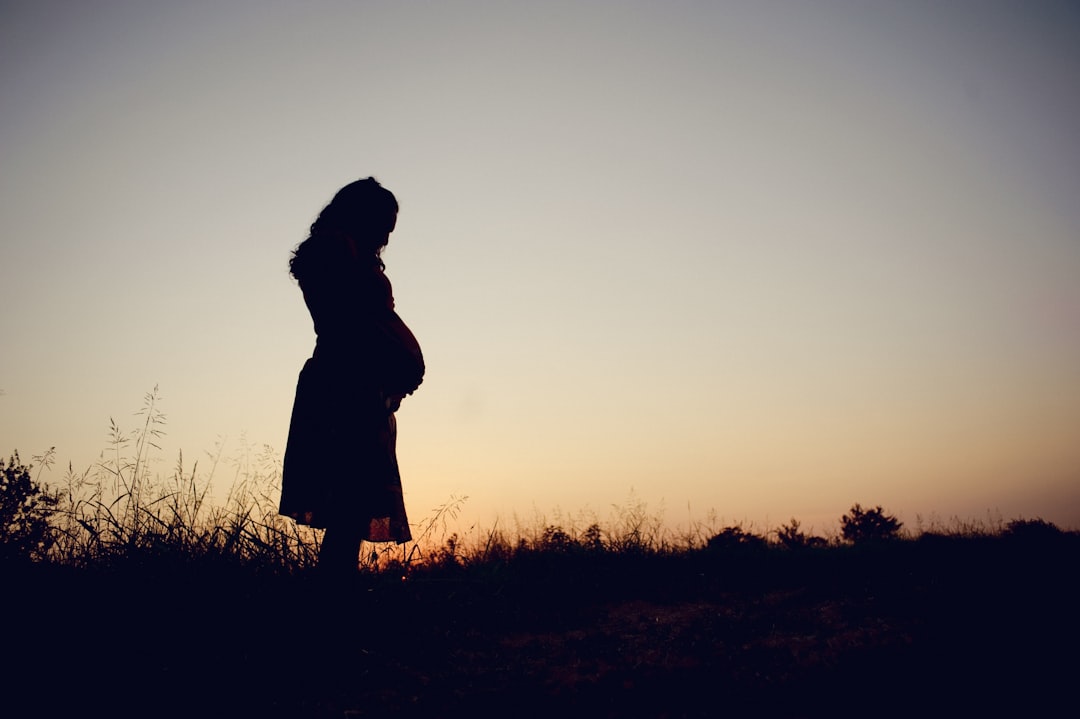
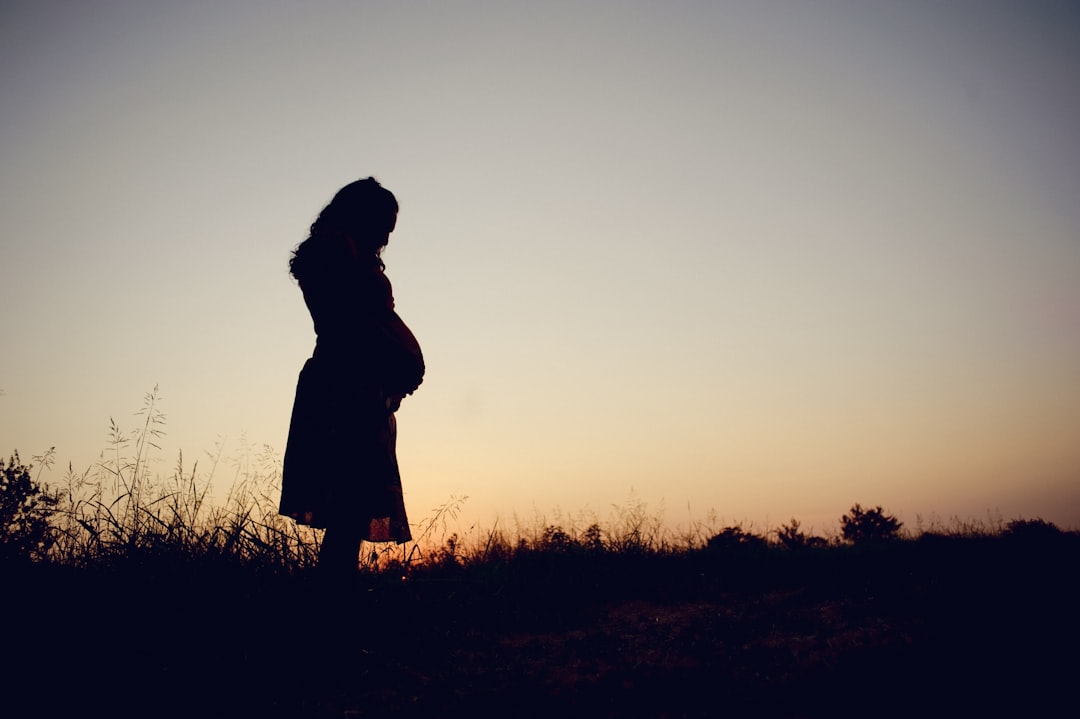
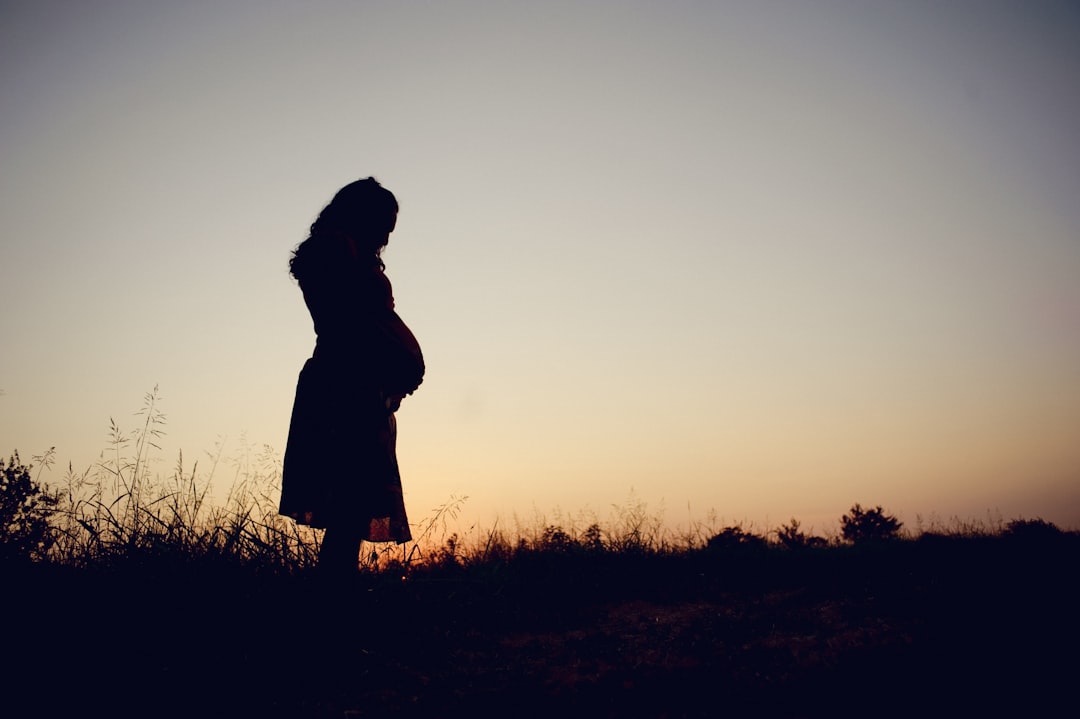
It's crucial to acknowledge that pregnancy loss encompasses a range of experiences, each with its own emotional and physical challenges. While statistics vary, it's estimated that a significant percentage of pregnancies end in miscarriage, particularly in the early stages. This prevalence underscores the vital need for open conversation and readily accessible support systems.
Defining Different Forms of Pregnancy Loss
The term 'pregnancy loss' is an umbrella that covers various situations, each carrying unique implications for individuals and families:
- Miscarriage: This refers to the spontaneous loss of a pregnancy before the 20th week. The vast majority of miscarriages occur within the first trimester. While often attributed to chromosomal abnormalities, the cause is frequently unknown, leading to feelings of guilt or self-blame that are rarely justified.
- Stillbirth: When a baby dies in the womb after 20 weeks of pregnancy, it is classified as a stillbirth. This type of loss is often even more profound, as parents may have already formed strong bonds and prepared extensively for the arrival of their child.
- Ectopic Pregnancy: This occurs when a fertilized egg implants outside the uterus, most commonly in a fallopian tube. Ectopic pregnancies are not viable and can be life-threatening to the mother if not treated promptly.
- Molar Pregnancy: A rare complication of pregnancy characterized by the abnormal growth of cells inside the uterus. While not a viable pregnancy, it can cause symptoms similar to a normal pregnancy initially.
Each of these experiences, regardless of its medical classification, represents a profound loss of hope and a future imagined. Recognizing this shared emotional core is essential for offering compassionate support.
The Heavy Burden of Silence: Why It Persists and Its Impact
For too long, pregnancy loss has been a topic whispered about behind closed doors, if at all. This cultural reticence stems from a complex interplay of societal norms, personal discomfort, and a lack of understanding. The resulting silence, however, carries a heavy burden, often exacerbating the already immense grief experienced by individuals and couples.
Societal Taboos and Misconceptions
Several factors contribute to the pervasive silence around pregnancy loss. Historically, there has been a tendency to view early pregnancy as a private matter, not to be announced until after the first trimester. While this practice often aims to protect against premature joy, it inadvertently creates an environment where loss before this milestone feels less 'valid' or worthy of public acknowledgment. Furthermore, misconceptions about the causes of loss can lead to unwarranted shame or blame, further compelling individuals to keep their experiences hidden.
Personal Isolation and Unprocessed Grief
When society fails to create space for grief, those experiencing pregnancy loss often suffer in isolation. This can manifest as profound loneliness, even when surrounded by loved ones. The absence of open dialogue can make individuals feel like their grief is an anomaly, rather than a natural, albeit painful, response to a significant loss. This isolation can hinder the healing process, leading to prolonged emotional distress, anxiety, depression, and even post-traumatic stress.
Impact on Relationships and Mental Well-being
The unspoken nature of pregnancy loss can also strain relationships. Partners may grieve differently, and without open communication, misunderstandings can arise. Friends and family, unsure how to offer comfort, might inadvertently say or do things that cause further pain, or they might simply avoid the topic altogether. This lack of external validation for their loss can profoundly impact an individual's mental well-being, making it difficult to process emotions and move forward in a healthy way.
Breaking the Silence: Pathways to Healing and Support
The growing movement to openly discuss pregnancy loss is a powerful step towards healing. Breaking the silence isn't just about sharing stories; it's about creating a culture of empathy, understanding, and robust support. When individuals feel safe to share their experiences, they unlock pathways to healing that were previously inaccessible.
Finding Your Voice: When and How to Share
Deciding when and how to share your experience of pregnancy loss is a deeply personal choice. There's no right or wrong time, and no single way to tell your story. Some find solace in confiding in a trusted friend or family member, while others prefer the anonymity and shared experience of online support groups. Starting with small steps, such as journaling or talking to a therapist, can build confidence. The key is to find an outlet where you feel heard, validated, and respected.
Seeking Professional and Community Support
Professional guidance can be invaluable for navigating the complex emotions that accompany pregnancy loss. Therapists specializing in grief, trauma, or reproductive mental health can provide tools and strategies for coping. Additionally, community support groups, both in-person and online, offer a unique sense of camaraderie. Connecting with others who have walked a similar path can alleviate feelings of isolation and provide practical advice and emotional solidarity.
The Transformative Role of Empathy and Education
For friends, family, and wider society, the most impactful way to break the silence is through empathy and education. Learning about the realities of pregnancy loss—its prevalence, its emotional toll, and the diverse ways people grieve—enables us to offer more meaningful support. Simple gestures, like acknowledging the loss, expressing sorrow, and offering a listening ear without judgment, can make a profound difference. Normalizing conversations around this topic helps to chip away at the stigma, creating a more compassionate world for those experiencing such profound sorrow.
Coping and Healing: A Journey, Not a Destination
Healing from pregnancy loss is a deeply personal and often non-linear journey. There's no fixed timeline for grief, and progress isn't always linear. It involves acknowledging the pain, allowing oneself to feel a full range of emotions, and finding healthy ways to cope. While the pain may never completely disappear, it can evolve, making space for renewed hope and resilience.
Individual Healing Strategies
Prioritizing self-care is paramount during this time. This can include maintaining healthy eating habits, getting adequate rest, and engaging in gentle physical activity. Mindfulness practices, such as meditation or deep breathing, can help manage anxiety and overwhelming emotions. Many find solace in creative outlets like writing, painting, or music. It's also important to set boundaries, allowing yourself to step back from social situations that feel draining or overwhelming.
Nurturing Your Relationship as a Couple
Pregnancy loss can significantly impact a couple's relationship. It's common for partners to grieve differently, which can sometimes lead to misunderstandings or feelings of isolation from each other. Open and honest communication is vital. Sharing feelings, listening actively, and validating each other's experiences can strengthen your bond. Consider couples counseling if communication becomes challenging, as a neutral third party can provide valuable guidance and support in navigating shared grief.
Remembering and Honoring Your Loss
For many, finding ways to remember and honor their lost baby is an essential part of the healing process. This could involve planting a tree, creating a memorial garden, lighting a candle, dedicating a piece of art, or participating in remembrance ceremonies. These acts of remembrance provide a tangible way to acknowledge the life that was, and to integrate the experience of loss into one's life story in a meaningful way. It helps to affirm that even though brief, the life and the hopes associated with it were real and worthy of remembrance.
Ultimately, navigating pregnancy loss is about embracing the complexity of grief while actively seeking pathways toward healing and connection. By continuing to break the silence, we empower individuals and couples to find the support they need and deserve, fostering a society where empathy and understanding prevail over isolation and unspoken sorrow.