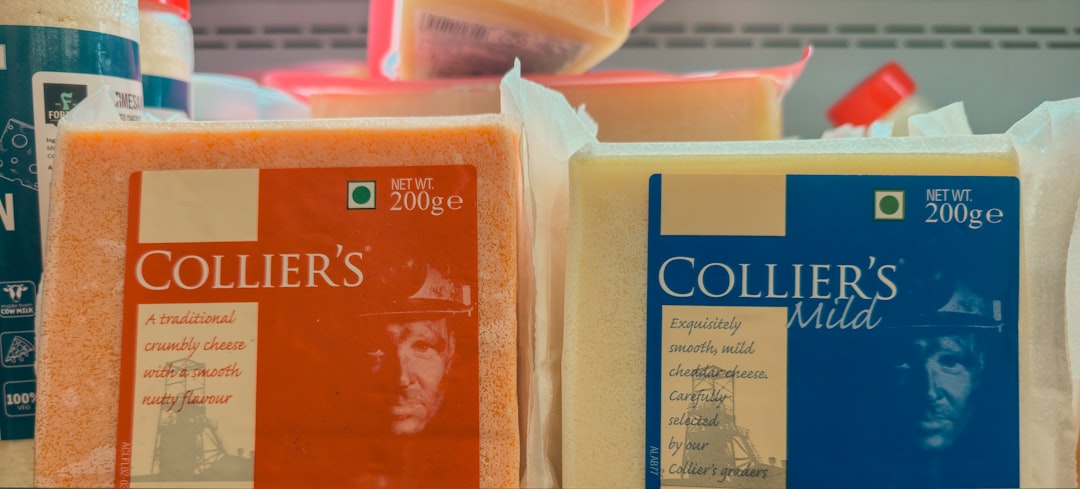
The Allure and Risks of Raw Milk Cheese
For many, the idea of raw milk cheese evokes images of artisanal craftsmanship, traditional flavors, and a connection to nature. Proponents often speak of unique textures, complex tastes, and perceived health benefits that they believe are diminished by pasteurization. However, beneath this appealing surface lies a critical public health concern: the potential for serious foodborne illnesses. While the market for raw dairy products, including cheese, continues to grow, consumers must be acutely aware of the inherent risks associated with unpasteurized items, which can harbor dangerous bacteria capable of causing severe health complications.

Recent incidents, including a significant outbreak linked to raw cheese that led to multiple hospitalizations and severe conditions like kidney failure, serve as stark reminders of these hidden dangers. Such events underscore the importance of informed decision-making when selecting and consuming dairy products. This article delves into the science behind these risks, provides practical guidance for consumers, and outlines the broader public health context surrounding raw milk cheese.
Why Unpasteurized Dairy Poses a Unique Risk
The fundamental difference between raw milk cheese and its more common counterpart lies in one crucial process: pasteurization. This heat treatment, developed by Louis Pasteur in the 19th century, involves heating milk to a specific temperature for a set period to eliminate harmful bacteria without significantly altering its nutritional value or flavor profile. When milk is not pasteurized, as is the case with raw milk and raw milk cheeses, it retains any bacteria that may have been present in the animal at the time of milking, or that were introduced during handling and processing.
Understanding Harmful Pathogens in Raw Milk
Raw milk can naturally contain a variety of dangerous microorganisms, even from healthy-looking animals in clean environments. These pathogens include, but are not limited to:
- Escherichia coli (E. coli) O157:H7: This particular strain is notorious for causing severe gastrointestinal illness, including bloody diarrhea, abdominal cramps, and vomiting. In some cases, especially among vulnerable populations, it can lead to Hemolytic Uremic Syndrome (HUS), a life-threatening condition characterized by kidney failure and other serious complications.
- Salmonella: A common cause of food poisoning, Salmonella infection typically results in fever, diarrhea, and abdominal cramps. While most people recover without specific treatment, some cases can be severe, requiring hospitalization.
- Listeria monocytogenes: Listeria is particularly dangerous for pregnant women, newborns, the elderly, and individuals with weakened immune systems. It can cause serious illnesses such as meningitis, sepsis, and even miscarriage or stillbirth. Unlike many other bacteria, Listeria can thrive at refrigeration temperatures, making it a persistent threat.
- Campylobacter: This bacterium is one of the most common causes of diarrheal illness globally, characterized by fever, abdominal pain, and bloody diarrhea. While usually self-limiting, it can lead to long-term complications like Guillain-Barré syndrome in rare instances.
The presence of these bacteria in raw milk is not necessarily indicative of poor hygiene at the farm; they can naturally exist in the digestive tracts of healthy animals. Pasteurization acts as a critical safety barrier, effectively neutralizing these threats before the milk is processed into cheese or other dairy products.
Navigating Raw Dairy Choices: What Consumers Need to Know
Given the potential for serious illness, consumers must exercise caution and make informed decisions regarding raw milk cheese. Understanding how to identify these products and who is most at risk is paramount to protecting public health.
Identifying Raw Milk Products and Reading Labels
In many regions, regulations require raw milk cheese to be clearly labeled as “unpasteurized” or “made from raw milk.” It is absolutely essential to read food labels carefully, especially when purchasing specialty cheeses or products from farmers' markets. If a label does not explicitly state that the product is pasteurized, or if it indicates it is raw, consumers should understand the associated risks. Some raw milk cheeses are aged for a minimum of 60 days, as this aging process is believed by some to reduce pathogen levels, but this is not a guaranteed safety measure and does not eliminate all risks, especially for resilient pathogens like Listeria.
Who is Most Vulnerable?
While anyone can contract a foodborne illness from raw milk products, certain demographics are at a significantly higher risk for severe complications:
- Pregnant women: Listeria infection can lead to miscarriage, stillbirth, premature delivery, or life-threatening infection in newborns.
- Infants and young children: Their developing immune systems are less equipped to fight off infections, making them highly susceptible to severe illnesses, including HUS from E. coli.
- The elderly: As immune systems weaken with age, older adults face increased risks of severe illness and complications from foodborne pathogens.
- Individuals with weakened immune systems: Those with chronic diseases (e.g., cancer, diabetes, HIV/AIDS), organ transplant recipients, or individuals on immunosuppressant medications are particularly vulnerable to serious infections.
For these high-risk groups, health authorities strongly advise avoiding all raw milk and raw milk products.
Practical Guidance for Safer Consumption
For those who choose to consume raw milk cheese, or for anyone seeking to minimize foodborne illness risks, consider these practical steps:
- Always check labels: Prioritize products clearly labeled as pasteurized, especially if you fall into a high-risk category.
- Source responsibly: If opting for raw cheese, research the producer's reputation and food safety practices. However, remember that even reputable producers can experience contamination.
- Practice excellent kitchen hygiene: Prevent cross-contamination by using separate cutting boards and utensils for raw and ready-to-eat foods. Wash hands thoroughly with soap and water before and after handling food.
- Proper storage: Store all dairy products, including cheese, at appropriate refrigerated temperatures to inhibit bacterial growth.
- Be aware of symptoms: If you or someone in your household develops symptoms like severe diarrhea, vomiting, high fever, or signs of dehydration after consuming raw milk products, seek medical attention promptly and inform your doctor about your consumption history.
The Regulatory Landscape and Public Health Perspective
The regulation of raw milk and raw milk products varies significantly across different countries and even within regions of the same country. In the United States, for example, federal law prohibits the interstate sale of raw milk for direct human consumption, but states have diverse regulations regarding intrastate sales. Raw milk cheese, if aged for 60 days or more, can be sold across state lines, adding another layer of complexity to consumer awareness.
Public health agencies, such as the Centers for Disease Control and Prevention (CDC) and state health departments, play a crucial role in monitoring foodborne illnesses, investigating outbreaks, and issuing public health advisories. These investigations often involve complex detective work, tracing contaminated products back to their source, even when producers deny links. The goal is not only to identify the source but also to prevent further illnesses and inform the public about potential dangers.
Outbreaks linked to raw dairy products are a recurring concern for public health officials. Despite the perceived benefits by some consumers, the scientific and medical consensus remains clear: pasteurization is a vital public health measure that has saved countless lives and prevented widespread illness. The economic and human costs of foodborne outbreaks are substantial, encompassing medical expenses, lost productivity, and, tragically, fatalities.
Making Informed Food Choices for Your Health and Safety
In a world brimming with diverse food options, making informed choices is more critical than ever. While the freedom to choose what we eat is valued, this freedom comes with the responsibility of understanding potential health implications. When it comes to raw milk cheese, the perceived benefits of unique flavor or nutritional advantages must be carefully weighed against the proven, severe risks of bacterial contamination.
Prioritizing food safety means actively seeking out information, reading labels diligently, and understanding the recommendations of public health experts. For high-risk individuals, avoiding raw milk products entirely is the safest course of action. For others, a thorough understanding of the risks and a commitment to safe food handling practices are essential. Ultimately, empowering yourself with knowledge is the best defense against foodborne illnesses, ensuring that your culinary explorations remain both enjoyable and safe for you and your family.