
The New Space Race: Navigating Orbital Congestion and Regulatory Challenges
The dawn of the twenty-first century has ushered in an exhilarating era of space exploration and commercialization, often dubbed the 'New Space Race.' Central to this revolution is the proliferation of large satellite constellations, particularly in Low Earth Orbit (LEO), designed to deliver global internet access, enhanced communication, and advanced Earth observation capabilities. Companies like SpaceX with its Starlink network and Amazon with its upcoming Project Kuiper are at the forefront of this ambitious endeavor, promising to connect the unconnected and transform industries.
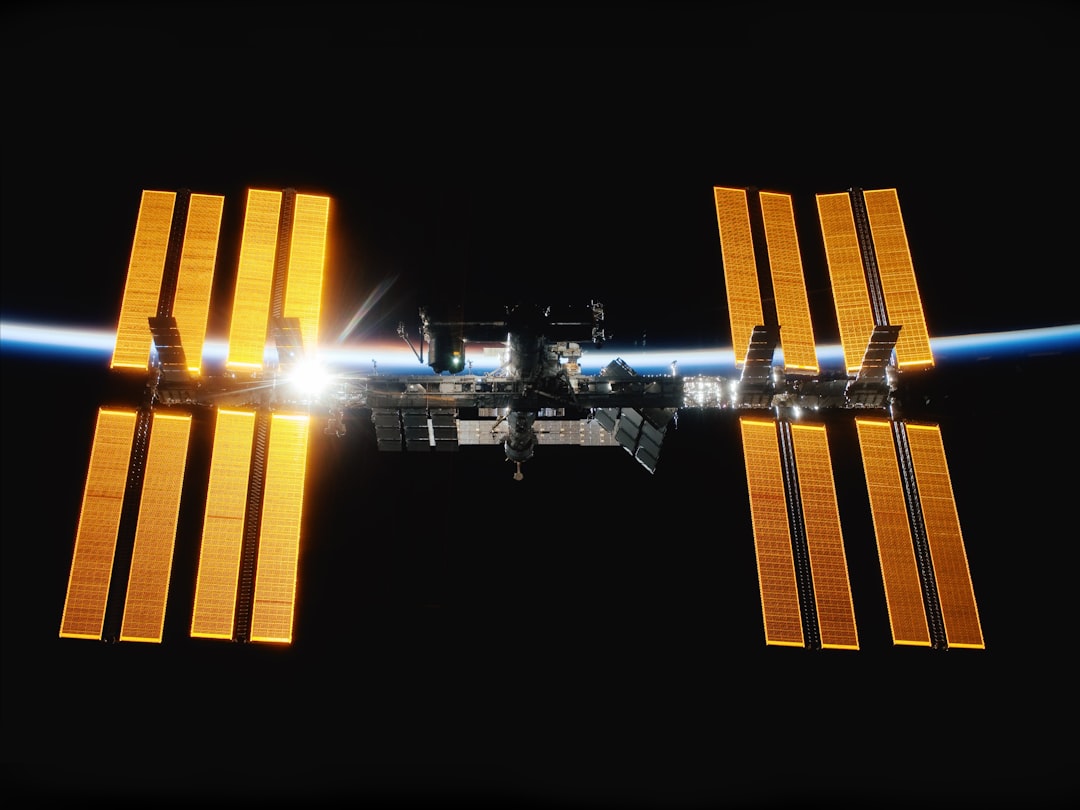
However, this rapid expansion, while incredibly promising, introduces significant challenges. The finite nature of orbital space, coupled with the sheer volume of planned and active satellites, raises critical questions about orbital safety, potential interference, and the long-term sustainability of space operations. As more satellites take to the skies, the need for stringent regulation, clear operational guidelines, and robust enforcement becomes paramount to prevent potential conflicts and ensure a safe environment for all spacefaring entities. Disputes, such as the one between SpaceX and Amazon concerning satellite altitudes, underscore the complex interplay of technology, business strategy, and regulatory oversight in this increasingly crowded frontier.
Understanding Satellite Altitudes: Why Specific Orbits Matter for Safety and Service
The altitude at which a satellite operates is far from an arbitrary choice; it is a fundamental decision with profound implications for its mission, longevity, and interaction with other spacecraft. Satellites are generally categorized into three primary orbital bands: Low Earth Orbit (LEO), Medium Earth Orbit (MEO), and Geostationary Earth Orbit (GEO). While all are crucial for various applications, LEO, typically between 160 and 2,000 kilometers above Earth, is currently the most dynamic and contested.
The Significance of Low Earth Orbit (LEO)
LEO is favored for many modern constellations due to its inherent advantages. Proximity to Earth minimizes signal latency, making it ideal for high-speed internet services where quick response times are essential. It also requires less powerful transmitters and allows for smaller, more cost-effective satellites. However, the benefits of LEO come with increased risks. The relatively compact volume of LEO means that thousands of satellites, each traveling at immense speeds, must coexist without collision. Precise orbital positioning and adherence to licensed altitude parameters are therefore not merely administrative details but critical safety imperatives.
Collision Avoidance and Debris Mitigation
Operating at specific, allocated altitudes is a cornerstone of collision avoidance strategies. Each satellite constellation is licensed to operate within certain parameters, including specific altitude bands. Deviations from these parameters can introduce unexpected conjunctions, increasing the risk of collisions with other active satellites or the ever-growing cloud of space debris. A single collision can generate thousands of new fragments, each capable of causing further damage – a phenomenon known as the Kessler Syndrome, which warns of a cascading chain reaction of collisions that could render certain orbits unusable for generations.
Furthermore, altitude plays a vital role in debris mitigation. Satellites in very low LEO experience more atmospheric drag, which helps naturally deorbit them within a few years of operational end, reducing the amount of persistent space junk. Satellites at higher LEO altitudes, however, may take decades or even centuries to deorbit naturally, necessitating active deorbiting mechanisms or maneuvers to comply with international guidelines for responsible space operations.
The Regulatory Guardians: How the FCC and International Bodies Govern Space
Given the global nature of space activities and the potential for international impact from orbital incidents, a robust regulatory framework is essential. In the United States, the Federal Communications Commission (FCC) plays a pivotal role in regulating commercial space activities, particularly those involving communication satellites. Internationally, the International Telecommunication Union (ITU), a specialized agency of the United Nations, coordinates global spectrum allocation and orbital slot assignments.
The FCC's Mandate in Satellite Licensing
The FCC's authority extends to licensing satellite systems that provide communication services to, from, or within the United States. This licensing process is comprehensive, requiring applicants to detail their satellite design, operational parameters (including specific altitudes and frequencies), and debris mitigation plans. The FCC reviews these applications to ensure compliance with technical rules, minimize interference with existing systems, and promote orbital safety. Once a license is granted, adherence to its terms is mandatory, as any deviation can impact other operators and potentially create hazardous situations.
Beyond initial licensing, the FCC is also responsible for enforcing these regulations. This includes investigating claims of non-compliance, mediating disputes between operators, and imposing penalties if violations are found. The goal is to foster a competitive yet safe environment for innovation in space, balancing the interests of various stakeholders while prioritizing the long-term health of the orbital domain.
International Coordination through the ITU
While national agencies like the FCC handle domestic licensing, the truly global nature of space necessitates international coordination. The ITU facilitates this by managing the global radio-frequency spectrum and satellite orbital slots. It establishes international treaties and regulations that govern how countries and private entities can use these finite resources. This coordination is crucial to prevent harmful interference between satellite systems operated by different nations and to ensure equitable access to orbital resources for all.
Case Study in Orbital Conflict: The SpaceX-Amazon Dispute as an Illustration
The recent dispute between SpaceX and Amazon concerning the operational altitudes of their respective satellite constellations serves as a compelling real-world illustration of the challenges inherent in managing a crowded orbital environment. While the specifics of the claims are complex, the core issue revolves around alleged deviations from licensed orbital parameters and the resulting potential for increased collision risk and operational conflict.
SpaceX's Allegations and Concerns
SpaceX, operator of the Starlink constellation, brought forward concerns to the FCC, alleging that Amazon's Project Kuiper satellites were being positioned at an altitude different from what was initially licensed or coordinated. SpaceX contended that this alleged deviation created a potential for orbital conflict, particularly with its own Starlink satellites, which operate in LEO. The core of SpaceX's argument often focuses on the principle of adhering strictly to agreed-upon and licensed operational parameters to maintain predictable orbital behavior and facilitate effective collision avoidance planning for all operators.
Amazon's Counter-Arguments and Perspective
Amazon, in turn, has strongly denied any violation of its license terms. The company's counter-argument often suggests that any perceived conflict or proximity issue was not due to Kuiper's non-compliance, but rather potentially due to SpaceX's own operational adjustments, such as lowering the altitude of some Starlink satellites. Amazon emphasizes its commitment to orbital safety and adherence to all regulatory requirements. This back-and-forth highlights the complexities of determining responsibility when multiple large constellations are operating in close proximity, each with dynamic flight paths and operational adjustments.
The Broader Implications of Such Disputes
Beyond the immediate corporate rivalry, this type of dispute carries significant implications for the entire space industry. It underscores the critical need for: 1) clear, unambiguous licensing terms; 2) transparent communication between operators; 3) robust regulatory oversight capable of mediating and resolving conflicts; and 4) the continuous evolution of space traffic management protocols. Such disagreements can delay critical projects, consume regulatory resources, and, if not resolved effectively, could potentially undermine the long-term viability of LEO for future endeavors.
Ensuring a Sustainable Future in Space: Challenges and Collaborative Solutions
The rapid growth of satellite constellations presents both immense opportunities and formidable challenges for the future of space. Ensuring a sustainable orbital environment requires more than just individual compliance; it demands proactive measures, technological innovation, and unprecedented levels of international cooperation.
Addressing the Challenge of Space Debris
The accumulation of space debris remains one of the most pressing concerns. While regulatory bodies mandate debris mitigation plans, the sheer volume of new launches means the problem is only intensifying. Future solutions will likely involve a combination of stricter guidelines for satellite design (e.g., design for deorbit), active debris removal technologies, and more sophisticated space situational awareness systems that can track even small objects with precision.
The Imperative for Collaboration and Transparency
For constellations to coexist safely, operators must move beyond mere compliance to embrace a culture of collaboration and transparency. This includes sharing orbital data, coordinating maneuvers, and developing industry-wide best practices for collision avoidance. Regulatory bodies like the FCC and ITU will play an increasingly vital role in facilitating this cooperation, potentially by establishing clearer protocols for dispute resolution and promoting data-sharing initiatives.
The ongoing dialogue and regulatory actions surrounding satellite altitudes, as exemplified by the SpaceX-Amazon situation, are not isolated incidents but rather critical junctures in defining the future of space utilization. As humanity ventures further into the cosmos, the lessons learned from these early challenges will be instrumental in shaping a responsible, sustainable, and accessible orbital environment for generations to come. The future of global connectivity and space exploration hinges on our collective ability to manage this shared frontier wisely.